

As humanity looks toward the next major chapter of low-Earth orbit research, NASA and SpaceX are fully prepped for the launch of the Crew-13 mission to the International Space Station (ISS). Blasting off from Space Launch Complex 40 at Cape Canaveral Space Force Station in Florida, this multinational team brings together a powerful combination of veteran space leadership and fresh, multi-agency flight experience. Upon safely docking with the orbiting laboratory, the four-person crew will transition into serving as active members of Expedition 75, taking on a robust six-month payload of scientific experiments, advanced technology demonstrations, and station maintenance.
Overcoming Obstacles: The Road to Launch
The path to the pad for Crew-13 required immense resilience from the engineering teams at NASA and SpaceX. Originally slated to fly earlier in the autumn, the mission encountered a brief delay after routine inspections identified a minor oxidizer leak in the propulsion system of the SpaceX Dragon spacecraft, Grace. Rather than rushing, teams systematically replaced the affected valve, ran comprehensive re-tests, and cleared the spacecraft for flight. Following a standard quarantine period and arrival at the Kennedy Space Center, the crew is targeting an ultra-fast rendezvous profile designed to dock with the station's Harmony module in under nine hours.

The Crew-13 Roster: Deep Dive: Meet the Crew-13 Explorers
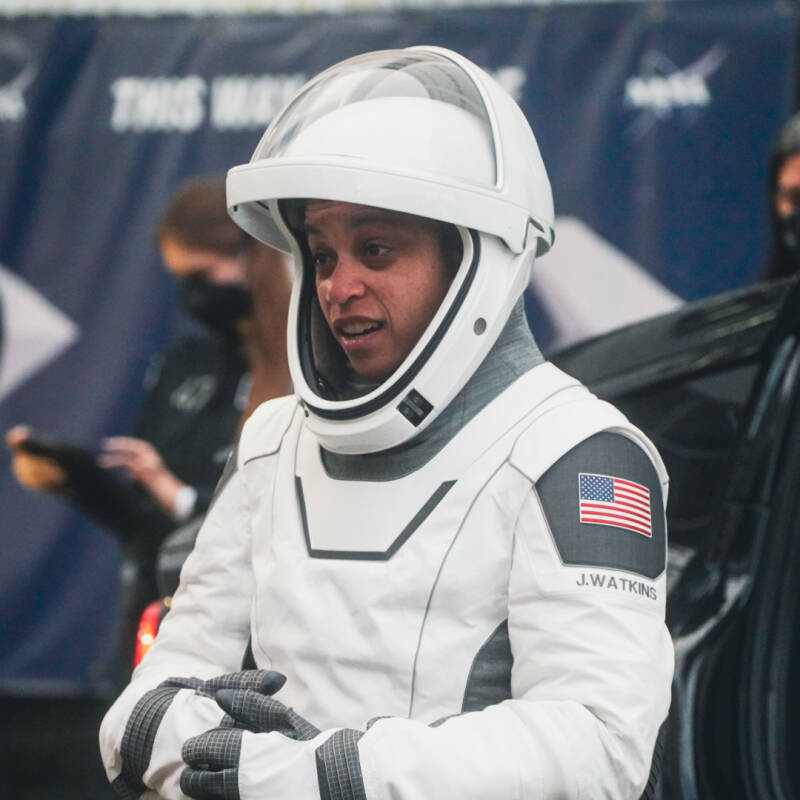
1. Jessica Watkins (Spacecraft Commander)
- The Milestone: Watkins takes the helm as spacecraft commander, making history as the first NASA astronaut to launch twice aboard a SpaceX Dragon spacecraft.
- Background: A trained geologist with degrees from Stanford and UCLA, Watkins previously logged 170 days in space as a mission specialist on SpaceX Crew-4 (Expeditions 67/68). Her prior deep-space operational experience and familiarity with complex orbital systems make her uniquely qualified to guide the Crew-13 team through high-pressure science protocols.
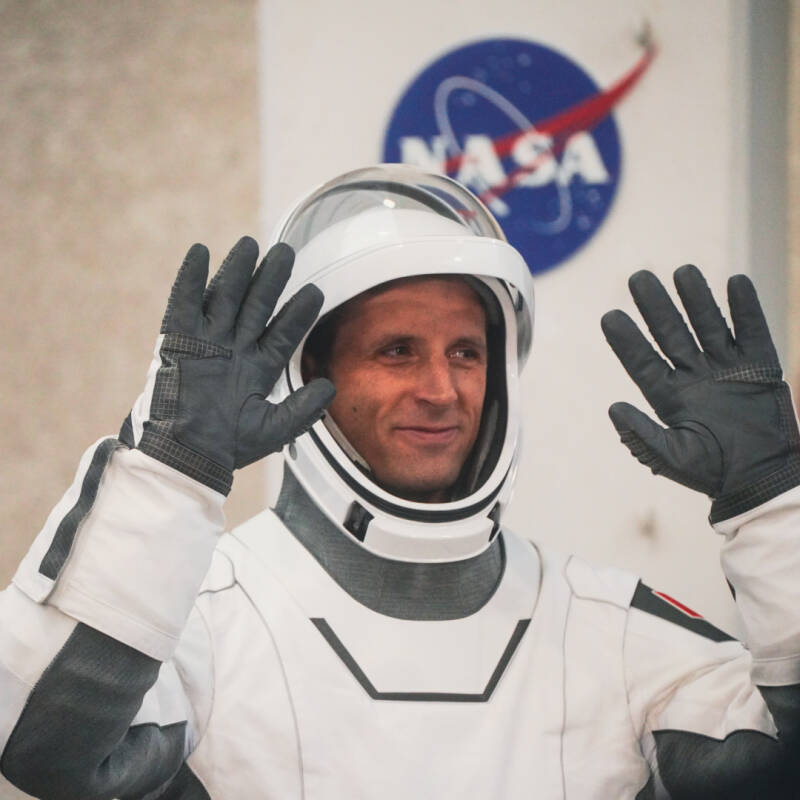
2. Luke Delaney (Pilot)
- The Role & Background: Seated in the right-hand pilot seat to manage the automated ascent and docking sequences of Dragon Grace, Delaney is a Central Florida native from DeBary. A retired U.S. Marine Corps major and combat veteran, Delaney holds a bachelor's in mechanical engineering from the University of North Florida and a master's in aerospace engineering from the Naval Postgraduate School. Having amassed over 3,900 flight hours across 48 aircraft types—including stints as a research pilot at NASA Langley—he brings exceptional flight mechanics expertise to his first-ever spaceflight.
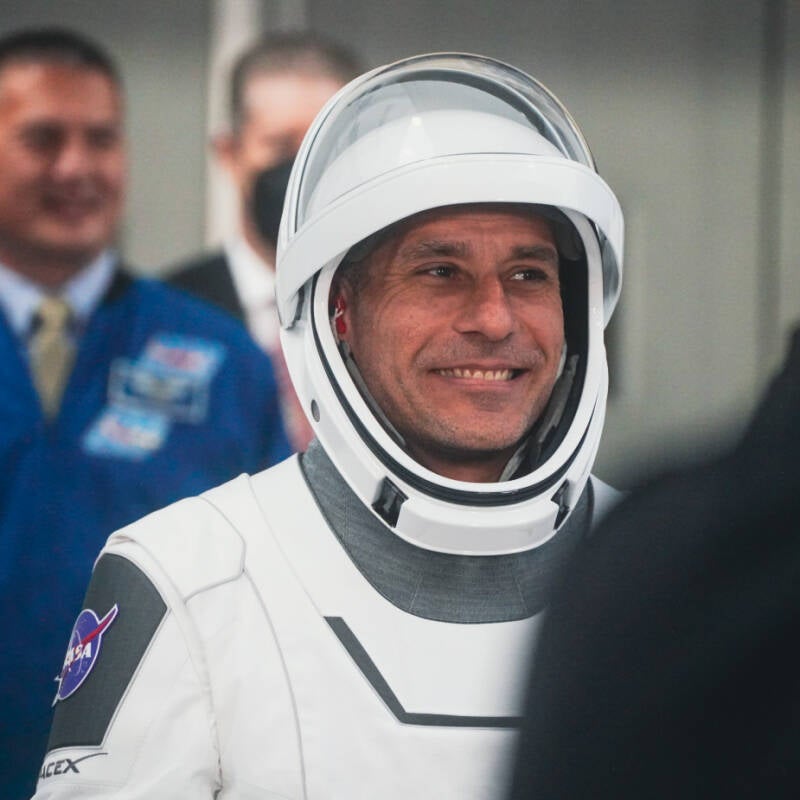
3. Joshua Kutryk (Mission Specialist)
- The Milestone: Kutryk serves as a mission specialist and becomes the first Canadian Space Agency astronaut to fly under NASA's Commercial Crew Program.
- Background: A colonel in the Royal Canadian Air Force, Kutryk is an accomplished fighter pilot and experimental test pilot with over 4,000 hours of flight time across 40+ aircraft types. Demonstrating an extraordinary academic background, he holds four advanced degrees, including master's degrees in space studies and flight test engineering, anchoring a deep tradition of Canadian contributions to orbital robotics and science.
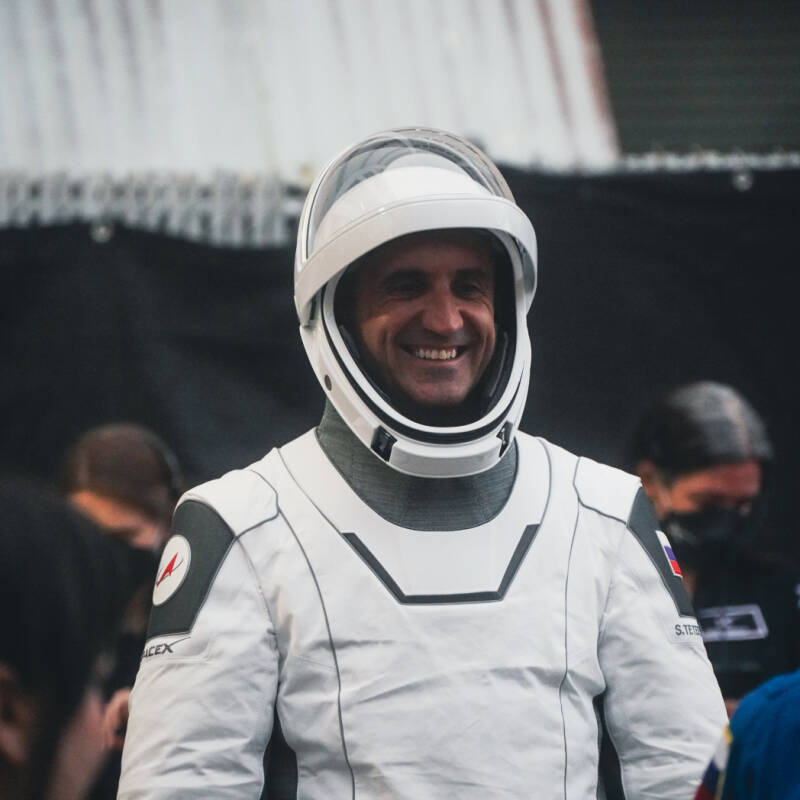
4. Sergey Teteryatnikov (Mission Specialist)
- The Role & Background: Rounding out the international quartet, Roscosmos cosmonaut Sergey Teteryatnikov serves as a mission specialist. Before joining the elite Gagarin Research and Test Cosmonaut Training Center Corps in 2021, Teteryatnikov built a robust engineering background through work in critical naval and deep-sea technical operations. He brings rigorous structural systems expertise to the Russian segment of the ISS for his debut spaceflight.
Images by : Dhanushka Nilanga
Science and Objectives Aboard Expedition 75
During their half-year stay floating 250 miles above Earth, the Crew-13 team will oversee hundreds of cutting-edge investigations. Key research highlights for this expedition include:
- Regenerative Medicine & Biomanufacturing: Leveraging microgravity to manufacture tissue samples and test advanced pharmaceutical therapies impossible to formulate in Earth's gravity.
- Fundamental & Student-Led Science: Managing physical science payloads and educational initiatives designed to inspire the next generation of STEM students.
- Sustained Exploration Technologies: Testing advanced life support mechanics and biological monitoring tools that pave the way for long-duration deep-space travel back to the Moon and onto Mars.
What area of microgravity research or international space cooperation are you most eager to see unfold during Crew-13's mission?
Article & Images by : Dhanushka Nilanga
Add comment
Comments