

United Launch Alliance (ULA) successfully delivered 29 Amazon Leo broadband satellites to low‑Earth orbit this morning, marking another major step in Amazon’s effort to build a global internet constellation. The mission—designated Leo 7—lifted off from Space Launch Complex 41 at Cape Canaveral Space Force Station at 7:53 p.m. EDT on May 29, 2026, using ULA’s workhorse Atlas V rocket.
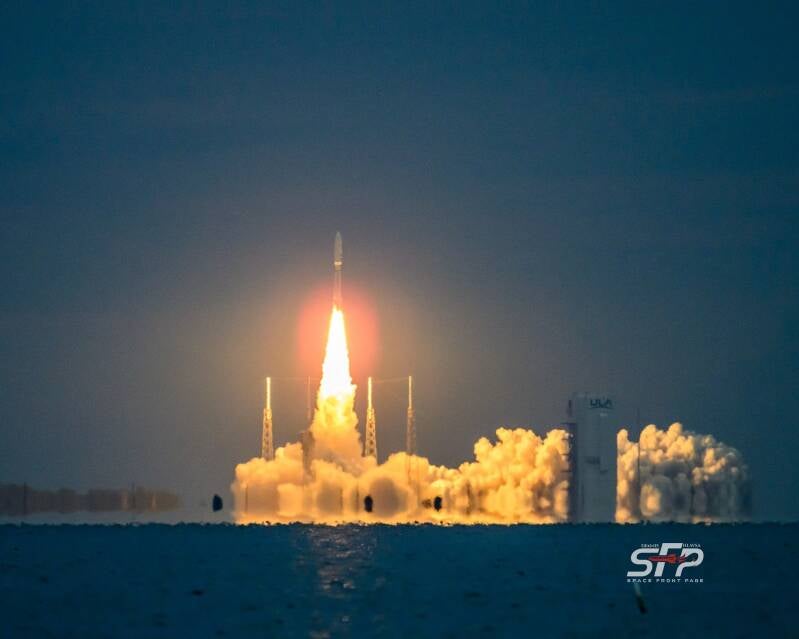
A Precise and Smooth Ascent
ULA’s Atlas V 551 configuration carried the 29 satellites into their targeted orbit with the precision the vehicle is known for. The first‑stage booster, which is not reusable, separated and splashed down in the Atlantic Ocean, where recovery teams retrieved it—standard procedure for Atlas V missions.
Weather conditions were favorable, with the 45th Weather Squadron giving an 85% chance of acceptable launch conditions, noting only minor cumulus cloud concerns.
Building Amazon’s Global Broadband Network
This launch brings Amazon’s total deployed Leo satellites to 331, with 197 of them launched by ULA—the majority of the constellation to date.
Amazon’s Leo network aims to provide global high‑speed internet coverage, similar in concept to SpaceX’s Starlink. Before this mission, 273 satellites were already in orbit; Amazon ultimately plans to deploy more than 3,000. ULA emphasized that commercial missions like this now represent up to 50% of its business, reflecting the rapid expansion of commercial satellite constellations.
A Busy Week on the Space Coast
The launch capped a high‑activity period for Florida’s Space Coast. Following a Blue Origin test anomaly earlier in the week, ULA’s successful mission helped maintain the region’s launch cadence. Florida Today reported that ULA’s liftoff contributed to a doubleheader launch day, with SpaceX also flying later in the evening.
What Comes Next
ULA’s next mission for Amazon—Leo 8—is scheduled for July, again from Cape Canaveral. As Amazon accelerates deployment toward early commercial service, ULA remains a central launch partner, even as the company transitions toward its next‑generation Vulcan rocket.
Add comment
Comments