

SpaceX is facing a fresh legal challenge as it prepares for the next test of its massive Starship rocket, with residents in nearby Texas communities alleging that previous launches have caused damage to their homes. The lawsuit, filed April 30 in federal court, comes as the company moves closer to the 12th test flight of its Starship system from its Starbase facility in South Texas. Airspace advisories indicate launch opportunities could begin as early as May 12 and continue through May 18, although SpaceX has not officially confirmed a launch date.
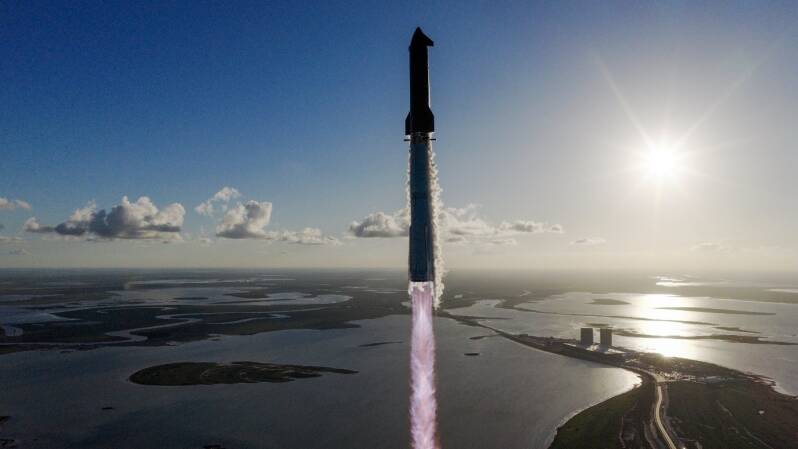
The upcoming mission will mark the debut of Starship version 3, an upgraded iteration of the fully reusable rocket system that includes improvements to both the upper stage and the Super Heavy booster. It will also be the first Starship launch since October 2025, following delays caused by a test incident in November that damaged a booster and pushed the program behind schedule.
Despite multiple revised timelines from SpaceX CEO Elon Musk, the long-awaited test flight is now expected in mid-May. While the mission will be suborbital, it is considered a critical step toward future orbital launches supporting next-generation Starlink satellites and NASA’s Artemis lunar exploration program.
However, as anticipation builds for the next launch, opposition from local communities is intensifying.
Dozens of residents from Port Isabel and South Padre Island—the closest populated areas to Starbase—have filed suit alleging that the immense noise and pressure generated by Starship launches have caused structural damage to their properties. According to the complaint, both the thunderous liftoff of the rocket and the sonic booms produced during the Super Heavy booster’s return are responsible for the alleged impacts.
While the lawsuit does not detail specific instances of damage, it cites recorded measurements from previous launches. Data collected during an October 2024 test reportedly showed peak noise levels exceeding 110 decibels at distances up to 35 kilometers from the launch site—levels that researchers suggest could potentially lead to structural damage. Additionally, sonic booms from returning boosters generated overpressure levels strong enough to affect windows and building integrity within a 15-kilometer radius.
The plaintiffs are seeking compensation for both economic and non-economic damages, though the exact amount will be determined during trial proceedings.
Environmental and community concerns surrounding Starship operations are not new. The Starbase launch site, located along the Gulf Coast near the U.S.-Mexico border, has been the subject of ongoing scrutiny from local residents and environmental groups. Although SpaceX has secured federal approvals for its launch activities, critics argue that the scale and intensity of Starship operations pose risks to both nearby communities and ecosystems.
Similar concerns have been raised beyond Texas. A 2025 environmental assessment tied to SpaceX’s plans to expand Starship operations to Cape Canaveral noted that launches could create “relatively high-level noise and overpressure environments.” While the primary concern cited was community disturbance, the report acknowledged that certain structures within close proximity to launch sites could face potential damage.
Add comment
Comments