

A SpaceX Falcon 9 rocket successfully launched early Saturday morning from Florida, delivering a heavily loaded cargo spacecraft bound for the International Space Station (ISS) and continuing a vital supply line to astronauts in orbit. Liftoff occurred at 7:41 a.m. EDT (1141 GMT) from Cape Canaveral Space Force Station under clear skies and favorable conditions. The rocket carried Northrop Grumman’s upgraded Cygnus XL resupply spacecraft, marking the NG-24 mission—the company’s 24th commercial resupply flight to the ISS under NASA’s Commercial Resupply Services program.
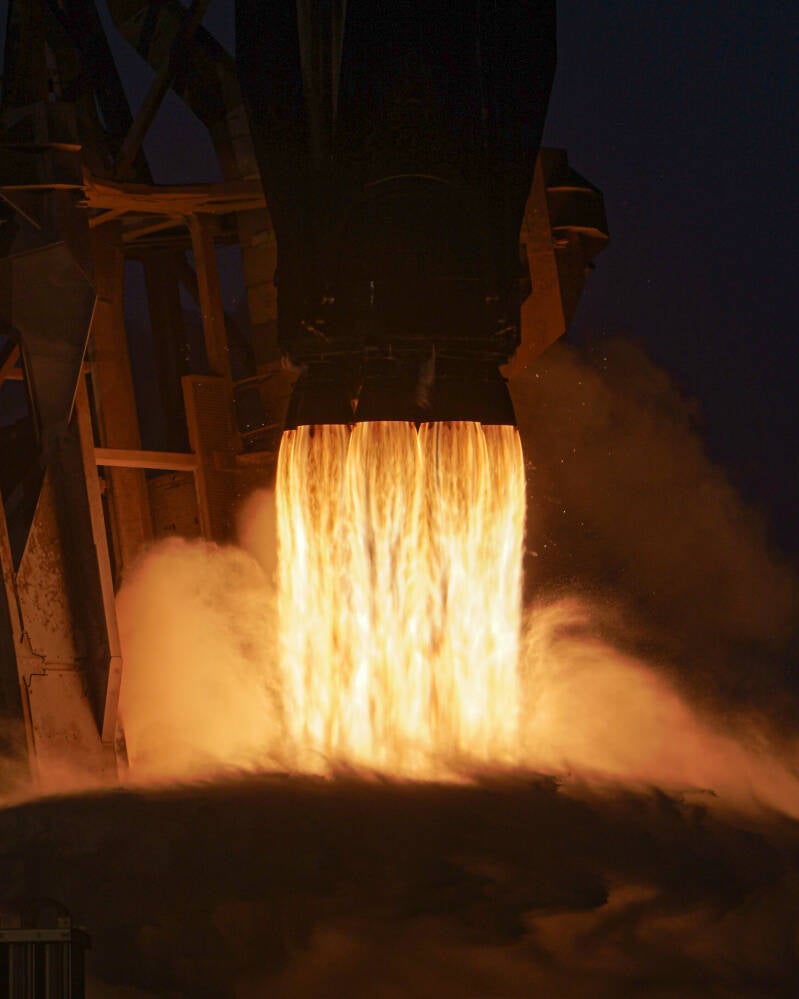
Credit Danushka Nilanga for SpaceFrontPage
A Critical Supply Run
The Cygnus spacecraft is packed with essential cargo, including scientific experiments, crew provisions, spare parts, and research equipment designed to support ongoing operations aboard the ISS. These missions play a key role in maintaining the station’s day-to-day functionality while enabling groundbreaking research in microgravity.
The NG-24 mission is especially significant as it utilizes an enhanced version of the Cygnus spacecraft, capable of carrying more cargo than previous iterations. This increased capacity helps maximize efficiency and reduce the number of launches required to sustain station operations.
Precision Launch and Landing
Following liftoff, the Falcon 9’s first-stage booster performed as expected, separating from the upper stage just minutes into flight. In a hallmark demonstration of SpaceX’s reusable rocket technology, the booster executed a controlled descent and landed flawlessly shortly after launch.
This successful landing underscores SpaceX’s continued advancements in rocket reusability, a key factor in reducing the cost of spaceflight and increasing launch frequency. The company has repeatedly demonstrated the reliability of its landing systems, making rapid turnaround and reuse of boosters increasingly routine.
Supporting Life and Science in Orbit
Once in orbit, the Cygnus spacecraft will rendezvous with the ISS, where it will be captured and berthed by the station’s robotic arm. Astronauts aboard the station will then begin unloading its cargo, which supports a wide range of scientific investigations—from human health studies to materials research and Earth observation.
The NG-24 mission highlights the ongoing collaboration between NASA, private industry, and international partners to sustain human presence in space. As commercial resupply missions continue, they remain a cornerstone of operations aboard the ISS, ensuring astronauts have the tools and supplies needed to live and work in orbit.
Add comment
Comments