

Article by Dhanushka Nilanga
What's next for Blue Origin
Spaceflight has a way of humbling even the most ambitious missions. The third flight of **Blue Origin’s New Glenn rocket—known as NG-3—perfectly captures that reality: a launch that proved critical capabilities, yet ultimately failed its primary objective.
So what actually happened after liftoff? Where is the payload now? And what does this mean for the future of New Glenn?
Let’s break it down.

Photo by : Aaron Taylor for Space Front Page
A Mission with Big Expectations
NG-3 launched on April 19, 2026, carrying BlueBird‑7, a next-generation communications satellite built by AST SpaceMobile.
This wasn’t just another satellite. BlueBird-7 represents a bold step toward a future where your everyday smartphone connects directly to space—no ground towers required. Its massive deployable antenna system is designed to provide cellular coverage from orbit, potentially transforming global connectivity.
The mission goal was straightforward:
Deliver the satellite into a precise low Earth orbit where it could begin deployment and operations.
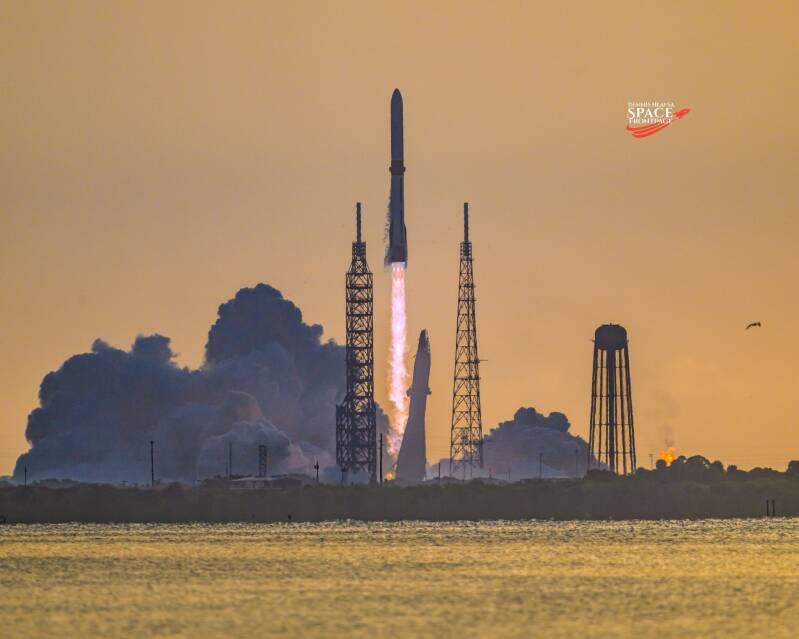
Photo by : Dennis Hlavsa for Space Front Page
What Went Right (And Why It Matters)
Before diving into the failure, it’s important to recognize what did work—because it’s significant.
New Glenn performed well through liftoff and ascent. Even more notably, its first stage booster—named Never Tell Me the Odds—successfully completed a re-flight and landed safely on a drone ship in the Atlantic Ocean.
That achievement alone marks a turning point:
- Blue Origin demonstrated reusability
- The booster proved it can survive, return, and fly again
- This is a critical step toward lowering launch costs and increasing cadence
In another context, this would have been the headline.
Where Things Went Wrong
The issue came later—during the most unforgiving phase of any mission: orbital insertion. After stage separation, the rocket’s upper stage was responsible for delivering the payload into its final orbit. But during this phase, the BE-3U engine underperformed. That shortfall had a cascading effect:
- The rocket didn’t reach the required velocity
- The orbit achieved was too low
- The satellite lacked the energy needed to sustain its mission
In spaceflight, precision is everything. Even a small deviation in velocity can mean the difference between a functioning satellite and a lost mission.
The Fate of the Payload
Initially, there was hope.BlueBird-7 successfully separated from the rocket and powered on. Communication links were established, and the spacecraft appeared healthy. But orbital mechanics don’t negotiate. Because the satellite was placed in a low, energy-deficient orbit, it now faces a slow but inevitable decline:
- Atmospheric drag is pulling it closer to Earth
- Its onboard propulsion system cannot compensate enough
- It cannot reach its intended operational orbit
So what does that mean?
The satellite is currently in a decaying orbit
It remains trackable and possibly functional for now
But it is ultimately doomed to reenter Earth’s atmosphere
When it does, it will burn up—ending the mission.
A Familiar Story in Spaceflight
This kind of outcome isn’t unprecedented. Satellites placed in the wrong orbit often face the same fate: operational systems intact, but stranded in an unusable trajectory.
It’s a stark reminder that in space, being “almost right” is effectively the same as failure.
Impact on the Companies Involved
For AST Space Mobile
The loss of BlueBird-7 is a setback—but not a fatal one.
- The satellite is insured
- Additional satellites are already planned
- The broader vision of space-based cellular service remains intact
For Blue Origin
The implications are more complex:
- The mission failed its primary objective
- Regulatory scrutiny (including FAA review) is expected
- Confidence in upper-stage reliability takes a hit
At the same time, the successful booster reuse provides a strong foundation to build on.
What Happens Next?
In the short term, expect a thorough investigation into:
- Upper-stage engine performance
- Burn timing and guidance systems
- Possible design or operational corrections
Future launches will likely be delayed until those issues are resolved. In the long term, though, the outlook is still promising.
New Glenn has now demonstrated:
- It can reach space reliably
- It can recover and reuse boosters
- Its overall architecture is viable
Fix the upper-stage issue, and it remains a serious contender in the heavy-lift launch market.
So… Was NG-3 a Success or a Failure?
The honest answer is: both.
Successes
- First successful booster reuse
- Strong launch and ascent performance
Failures
- Payload delivered to incorrect orbit
- Mission objective not achieved
- Satellite effectively lost
In aerospace terms, this is a partial success with a critical failure—the kind that teaches hard lessons but moves the program forward.
Final Thoughts
The story of NG-3 is a reminder of how unforgiving spaceflight can be. You can get 95% of the mission right—and still lose everything that matters.
And yet, progress often looks exactly like this:
- One step forward
- One hard lesson
- Then another attempt, better than before
For Blue Origin, NG-3 isn’t the end of the story—it’s part of the process of getting there
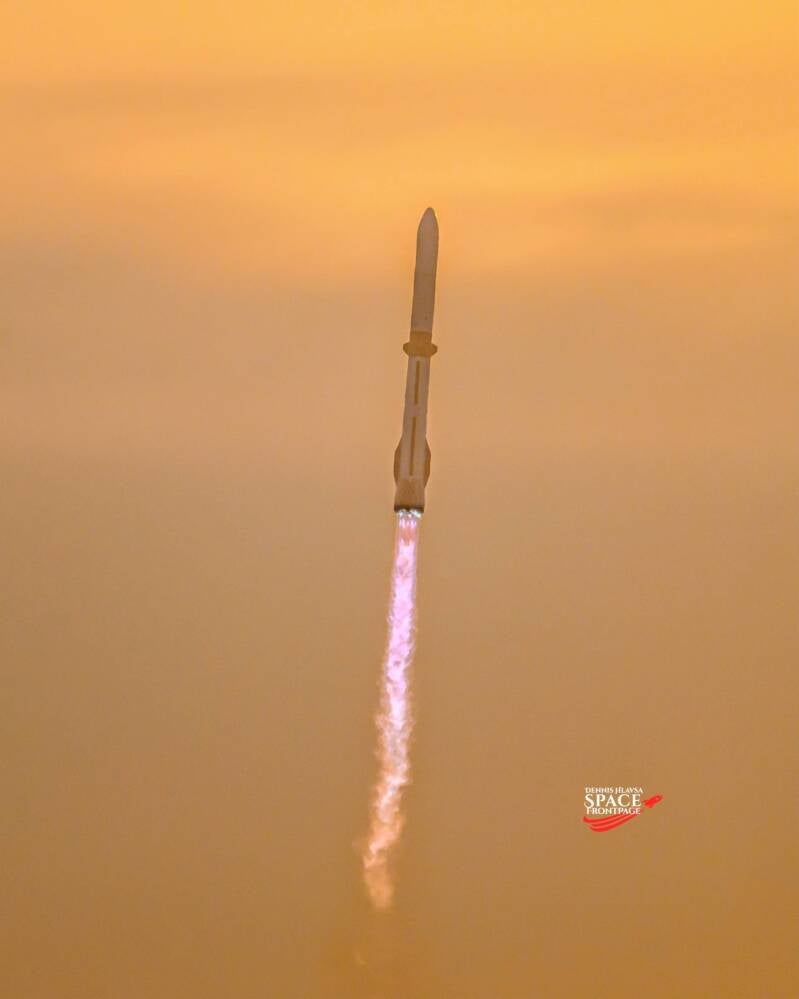
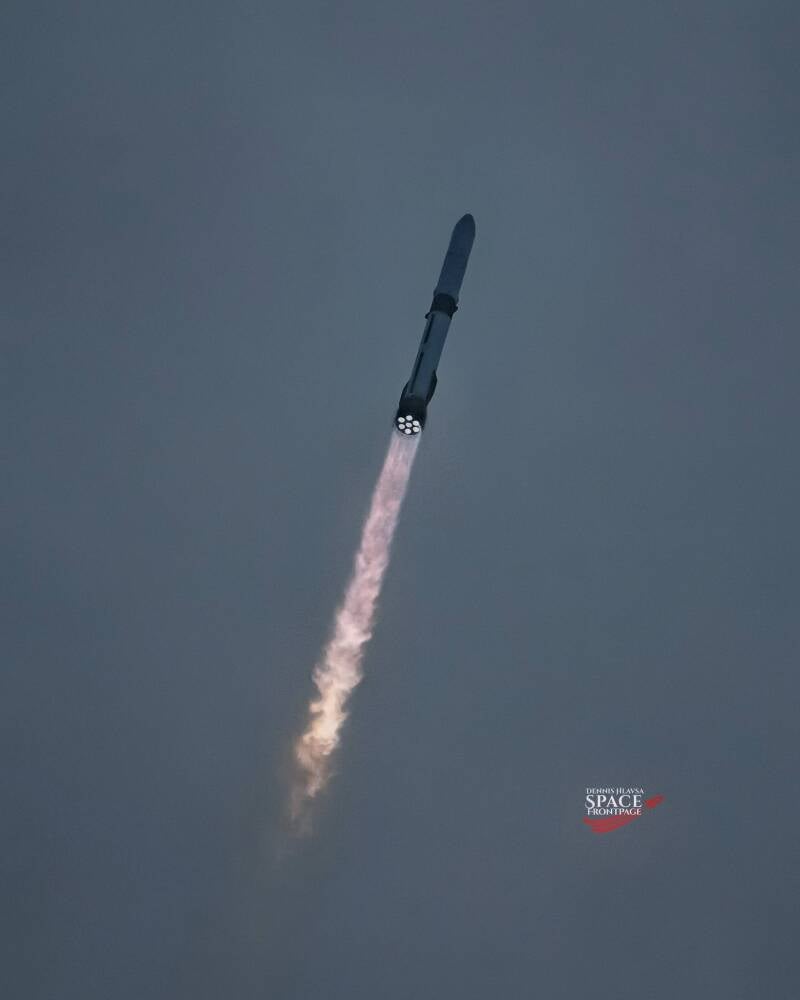
Photo by : Dennis Hlavsa for Space Front Page
Add comment
Comments