

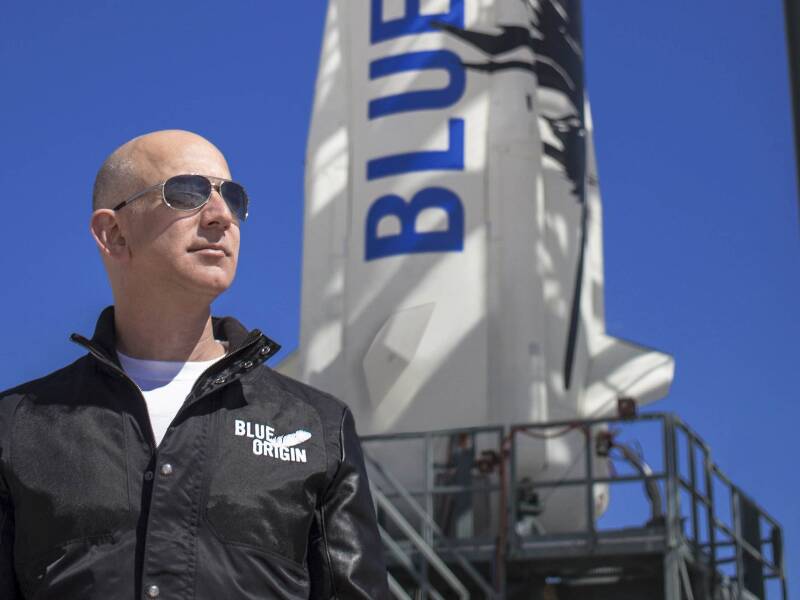
In a strategic shift that marks a major turning point for the commercial space sector, Blue Origin announced on Friday that it is officially suspending its celebrated New Shepard flight program. The company, founded by billionaire Jeff Bezos, revealed that the hiatus will last for at least two years as it redirects its engineering talent and financial capital toward the intensifying race for the lunar surface. By pausing the suborbital flights that have famously carried nearly 100 people across the Karman line—the internationally recognized boundary of space—Blue Origin is signaling a decisive pivot away from short-duration tourism and toward the high-stakes infrastructure required for a permanent human presence on the Moon.
The company’s leadership characterized the decision as a necessary step to accelerate the development of its human lunar capabilities, specifically targeting the multi-billion dollar contracts tied to NASA's Artemis program. This reallocation of resources comes at a time of heightened geopolitical and commercial competition, with the second administration of U.S. President Donald Trump applying significant pressure on NASA to expedite crewed lunar landings. With China pursuing similar milestones, the White House has urged American aerospace firms to maintain their lead, a mandate that Blue Origin is now meeting by consolidating its workforce onto its most ambitious deep-space projects.
Central to this new strategy is the development of the "Blue Moon" lander and the continued refinement of the New Glenn rocket, a heavy-lift vehicle far more powerful than the suborbital New Shepard. Last year, Blue Origin successfully executed two uncrewed orbital missions with New Glenn, proving its ability to compete directly with Elon Musk’s SpaceX in the orbital launch market. By focusing on these larger platforms, Blue Origin aims to fulfill its existing contract for the Artemis V mission and potentially capture a larger share of earlier phases. This is particularly relevant following NASA’s decision to open new bids for the third phase of the Artemis program, intended to provide competition for SpaceX, which the agency previously noted was falling behind schedule.
Ultimately, this two-year pause represents a calculated gamble that the future of the space economy lies not in suborbital joyrides, but in the logistics of lunar exploration and habitation. While New Shepard established Blue Origin’s brand and flight heritage, the company is now betting that its long-term legacy—and its competitive edge against SpaceX—will be defined by its ability to land humans on the Moon. By grounding its tourism fleet, Blue Origin is making it clear that it is no longer content with the "edge of space" and is instead focused on the surface of another world.
Add comment
Comments