

SpaceX is targeting a mid-March return to flight for its colossal Starship launch system, a mission that will mark the debut of a significantly upgraded "Version 3" (V3) configuration. This upcoming test, designated Flight 12, is anticipated to lift off in approximately six weeks, provided preparations continue on schedule. The timeline was shared by SpaceX founder and CEO Elon Musk on January 25.
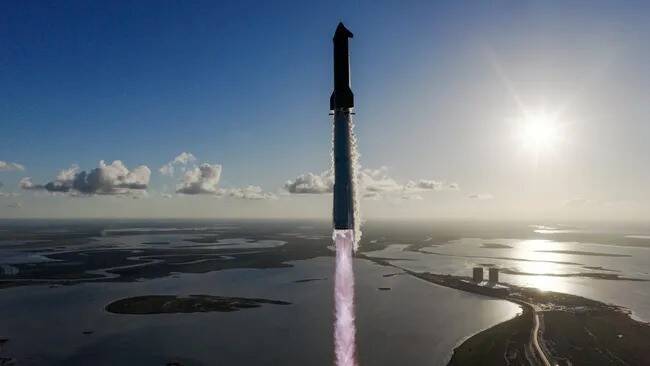
SpaceX's Starship blasting off on its 11th test flight from Starbase, Texas Credit: SpaceX
This will be the 12th overall test flight for Starship, but it carries immense significance as the inaugural flight of the new V3 variant. Starship is the linchpin of SpaceX's ambitious future plans, which include deploying massive payloads into orbit, supporting critical NASA missions, and ultimately establishing a sustained human presence beyond Earth.
A Giant Leap in Performance
Starship operates as a fully reusable, two-stage launch system, comprising the Super Heavy booster and an upper-stage spacecraft known simply as Ship. Both stages are propelled by SpaceX’s advanced, methane-fueled Raptor engines and are engineered for precise return to Earth and rapid reuse – a fundamental element of the company’s strategy to drastically reduce launch costs.
While Starship has already completed 11 suborbital test flights since its April 2023 debut, with five occurring last year, the momentum has been building significantly after two fully successful missions in August and October. However, the path to Flight 12 hasn't been without its challenges. Preparations faced a setback late last year when the Super Heavy booster initially slated for the mission experienced a structural failure during ground testing in November. SpaceX swiftly reassigned another booster to maintain the campaign's trajectory.
Flight 12 will introduce Starship V3, which, at approximately 408 feet (124.4 meters), is slightly taller than its 404-foot (123.1-meter) Version 2 predecessor. More importantly, it represents a monumental leap in performance. According to Musk, V3 boasts the capability to deliver over 100 metric tons to low Earth orbit, nearly tripling the payload capacity of the previous iteration. This substantial increase is largely attributed to the introduction of the Raptor 3, a more powerful engine variant making its flight debut on this mission.
Setting Sights on Interplanetary Travel
The V3 configuration is the first iteration of Starship specifically designed with interplanetary missions in mind. Should Flight 12 and subsequent tests successfully demonstrate critical capabilities—such as achieving orbit and performing complex in-space refueling—SpaceX could potentially launch multiple uncrewed Starship vehicles toward Mars as early as later this year, a goal previously outlined by Musk.
As SpaceX vigorously pursues this ambitious milestone, the mid-March test flight is expected to be a pivotal moment. It aims to transform Starship from an experimental launch system into a foundational pillar of the company’s deep-space aspirations.
Add comment
Comments